




HOUSE OF ZEJD — ALL ABOUT OLIVE
House of Zejd is a premium concept store offering an immersive journey into the world of Zejd, a signature brand rooted in Lebanese terroir and built on sustainable excellence in olive-based products, where quality meets innovation.
The store presents an exclusive range of natural, plant-based, and eco-conscious Zejd creations, from outstanding extra virgin olive oils, gourmet appetizers, emblematic condiments and spices, and exotic delicacies, to artisanal soaps and skincare essentials. Carefully curated olive wood accessories complete the offering.
More than a retail space, House of Zejd is a destination for discovery, tasting, shopping, and gifting, thoughtfully designed to deliver a refined and engaging experience.
ZEJD — TRADITION WITH A MODERN TWIST
Zejd means “oil” in Phoenician, a name inspired by the pioneering role of Phoenician ancestors in spreading olive cultivation and olive oil culture beyond its Levantine cradle.
Rooted in this legacy, Zejd revives a prestigious heritage through contemporary expressions that resonate with today’s gourmet food lovers and conscious beauty enthusiasts—bridging tradition, innovation, and modern lifestyles.
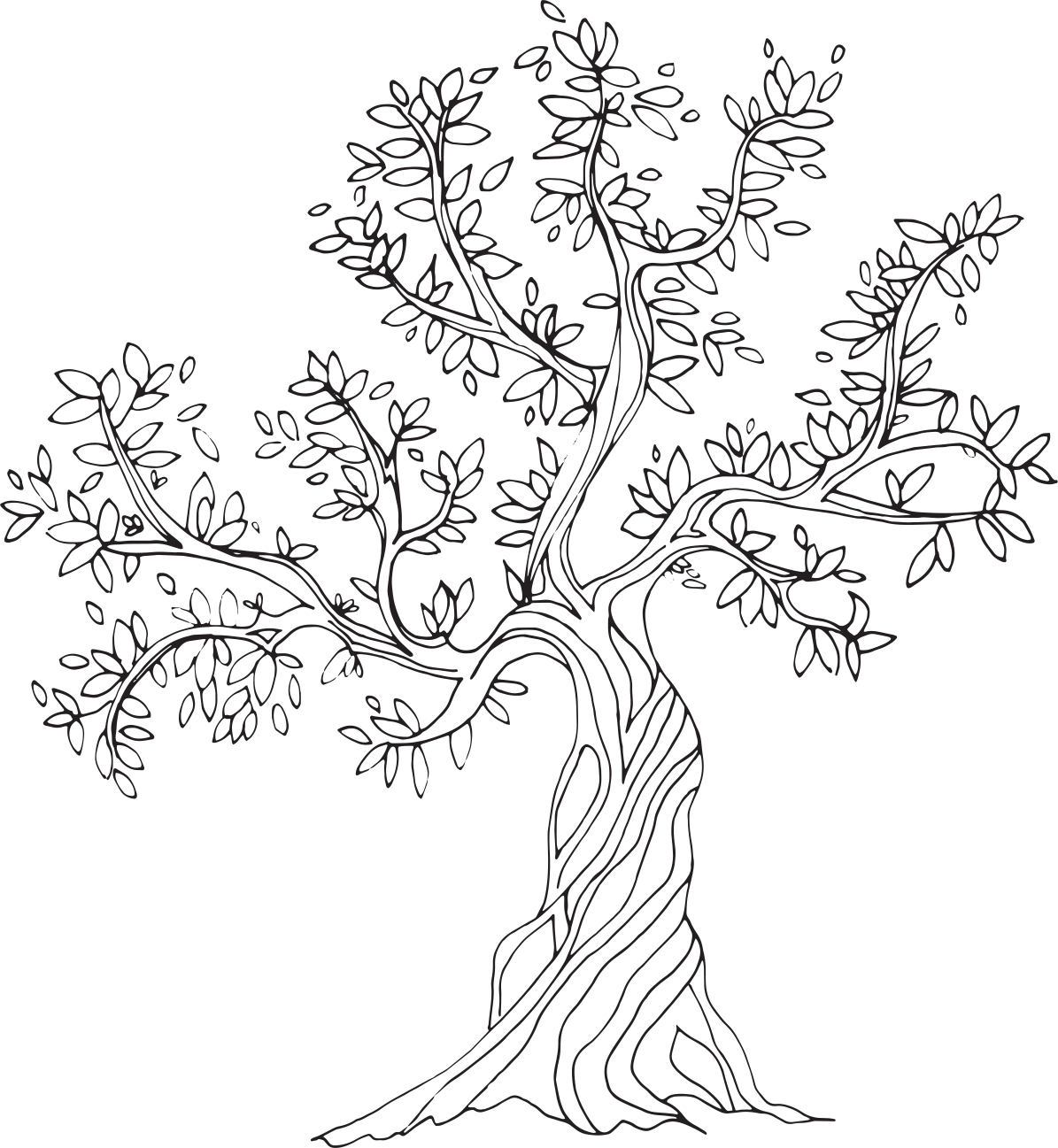
SOURI - Our local variety
Research shows that the
Mediterranean coasts of Syria,
Mount Lebanon and Palestine
appear to be the main original home
of the wild olive tree where it is very
abundant and grows in thick forests.
Over time its cultivation developed
considerably spreading along with
the expansion of the Phoenician
civilization.
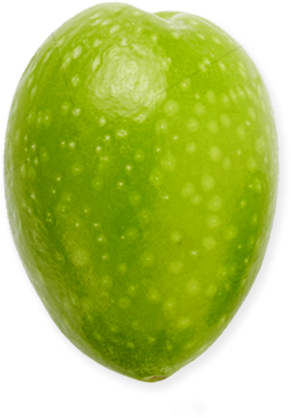
Description
Souri, Zejd’s main olive variety, takes its name from Sour (Tyre), one of the most prominent Phoenician
cities and trading ports of Southern Lebanon, where the variety is believed to have originated.
Our Home In The City